


Building a Garden Wonderland for Children to Explore
Posted on 15/09/2025
Building a Garden Wonderland for Children to Explore
If you are looking for a magical way to inspire outdoor play, encourage curiosity, and nurture a love for nature in your kids, building a garden wonderland for children to explore is the perfect project. More than just a backyard space, a garden wonderland offers kids a vibrant, diverse, and interactive environment where they can learn, dream, and have fun. In this comprehensive guide, discover creative ideas, essential planning tips, and expert advice to craft a captivating garden play zone that's safe, educational, and brimming with enchantment.
Why Create a Garden Wonderland for Children?
A garden play haven offers numerous benefits that go far beyond entertainment. Here are some compelling reasons to transform your outdoor area into a child-friendly paradise:
- Encourages Physical Activity: Climbing, digging, running, and exploring help children stay active and healthy.
- Sparks Imagination: Themed features and whimsical decorations turn ordinary spaces into magical kingdoms or fairy tale forests.
- Supports Learning: Kids observe wildlife, plant life cycles, and weather changes up close, gaining hands-on knowledge of the natural world.
- Promotes Family Bonding: Gardening together, creating art projects, or playing games strengthen family connections.
- Relieves Stress: Nature reduces anxiety and boosts overall well-being for both children and adults.
Key Considerations Before You Start
Assessing Your Space
Examine your backyard garden or available outdoor area to identify the best location for your wonderland. Consider:
- Sunlight: Choose a spot that gets plenty of sunlight but also offers some shade to protect delicate skin.
- Safety: Avoid locations near pools or ponds unless you can install proper safety barriers.
- Accessibility: Ensure there are clear paths from the house to the garden for easy supervision.
Involving Children in Planning
Empower your children by letting them take part in the design and planning. Ask for their input:
- What kinds of plants or flowers would they love to see?
- Are there favorite animals or fairytale characters to inspire the theme?
- What activities do they dream of doing in their own outdoor paradise?
Prioritizing Safety and Supervision
Use kid-friendly materials, avoid sharp edges, and ensure visibility for safe supervision. Opt for non-toxic, bee-friendly plants and materials whenever possible. Install fences or gates for tiny adventurers.
Designing a Magical Garden Playground
Ready to start building your children's garden wonderland? These creative tips, themes, and features will fuel your inspiration.
1. Themed Zones for Adventure
- Fairy Garden Nook: Transform a quiet corner with miniature houses, tiny bridges, and fairy figurines nestled among moss and flowers.
- Pirate Ship Play Area: Create a sandpit with a wooden ship structure, treasure chests, and sails for swashbuckling fun.
- Woodland Explorer Trails: Carve winding paths lined with stepping stones, tree stumps, and secret hideouts behind thick green foliage.
- Enchanted Vegetable Patch: Let children grow their own magical beans, rainbow carrots, or sunflower houses that tower overhead.
2. Sensory and Interactive Features
- Touch and Smell Gardens: Plant soft-feeling lamb's ear, fragrant lavender, or spicy mint for an immersive sensory experience.
- Musical Corner: Hang wind chimes, install xylophones made from pipes, or fill a sandbox with musical instruments.
- Water Play: Add a trickling fountain, birdbath, or shallow stream (with supervision) for splashing and wildlife watching.
3. Child-Friendly Edible Gardens
Designate a patch for vegetable and fruit gardening. Easy-to-grow choices include:
- Strawberries
- Peas
- Tomatoes
- Carrots
- Pumpkins
- Herbs like basil and chives
_Label plants with fun, artistic markers and let children help with planting, watering, and harvesting throughout the seasons._
4. Secret Spaces and Hiding Places
- Willow Dens or Bean Teepees: Grow living playhouses using willow branches or climbing beans.
- Hedge Tunnels: Plant fast-growing shrubs to form winding, maze-like passageways.
- Covered Arbors: String up flowering vines or morning glories over a lattice to create shady hideouts.
Building Features for Play and Imagination
Natural Play Structures
- Tree Stump Balance Paths: Arrange stumps and slabs for hopscotch games and balance walks.
- Log Benches and Tables: Use smooth, sanded logs for nature-inspired seating and activity spaces.
- Climbing Structures: Integrate sturdy branches, rope ladders, or pre-made towers for adventure play.
DIY Projects and Crafts
Engage children with fun garden building activities like:
- Painting rocks as ladybugs, insects, or story characters
- Creating colorful stepping stones with mosaics or handprints
- Making bird feeders or butterfly watering dishes from recycled materials
- Stringing up nature-inspired wind art using leaves, driftwood, or shells
*These projects add unique, personalized touches and develop fine motor skills.*
Outdoor Reading and Art Zones
- Set up a shaded nook with weatherproof beanbags for storytime in nature.
- Use easels and washable paints for open-air art sessions.
- Hang a chalkboard on a fence for drawing, tic-tac-toe, and educational games.
Choosing Safe and Fun Plants for Children's Gardens
Selecting the right plants is vital for safety and enjoyment. Here are some excellent options for your children's exploration zone:
Flowering Favorites
- Sunflowers: Tall, dramatic, and easy to grow; great for creating hideouts.
- Nasturtiums: Bright, edible flowers; attract butterflies and bees.
- Daisies and Marigolds: Hardy, colorful, and low maintenance.
Edible and Sensory Plants
- Mint and Lemon Balm: Fragrant, fast-growing, and safe for gentle tasting.
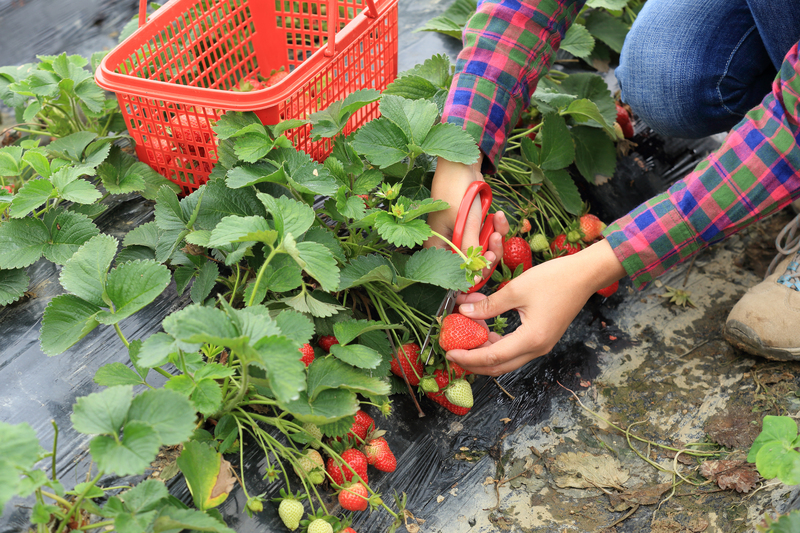
- Strawberries: Produce sweet, irresistible fruit in containers or ground.
- Lamb's Ear: Soft, velvety leaves for tactile exploration.
Plants to Avoid
- Foxglove
- Oleander
- Yew
- Lily of the Valley
Avoid any plant known to be toxic or potentially irritating to children. Always check local guidelines and consult with a nursery expert if unsure.
Wildlife Features for a Living Wonderland
A children's exploration garden is richer with fluttering butterflies, buzzing bees, singing birds, and hopping frogs. Encourage a thriving mini-ecosystem by adding:
- Butterfly Hotels and Bee Houses: Provide nesting places for beneficial pollinators.
- Bird Feeders and Baths: Attract feathered visitors and teach children about bird species.
- Frog Ponds: If space and safety allow, build a small wildlife pond with gentle slopes and water plants.
- Habitats for Ladybugs and Insects: Piles of twigs, rocks, or bug hotels built from bamboo fill your garden with life.
Gardening Activities and Games for Young Explorers
Treasure Hunts
Hide "gems," clues, or garden gnomes for children to find while exploring their wonderland. Change the treasures regularly to keep interest high.
Nature Scavenger Hunts
- Collect leaves of different shapes and colors.
- Spot insects, worms, and butterflies.
- Gather seed pods, pine cones, or feathers.
Planting and Harvesting Challenges
Hold contests for the tallest sunflower, juiciest strawberry, or best-decorated plant pot. Family-friendly competition teaches patience and care.
DIY Garden Stories and Performances
Use a garden picnic blanket as a stage for storytelling, puppet shows, or nature-inspired plays.
Gardening Year-Round -- Keep the Wonderland Alive!
With a bit of seasonal planning, your garden can be wonderful and inviting in every season:
- Spring: Plant bulbs, sow seeds, celebrate new growth.
- Summer: Watering, picnics, bug hunts, and sunflower mazes.
- Autumn: Leaf crafts, pumpkin harvest, and prepping for wildlife like birds that overwinter.
- Winter: Bird feeders, nature art with twigs and berries, planning next year's magical features.
Tips for Maintaining a Child-Friendly Exploration Garden
- Regular Safety Checks: Inspect play structures, fences, and paths for hazards.
- Encourage Responsibility: Give children age-appropriate tasks, such as watering, weeding, or feeding birds.
- Use Organic Practices: Avoid chemical pesticides and fertilizers; opt for natural alternatives to protect wildlife and little explorers.
- Rotate Activities: Introduce new games, projects, and plants each season to prevent boredom and stimulate interest.
- Celebrate Progress: Take photos, keep a garden journal, or host an annual "Garden Wonderland Day" to cherish memories.
Conclusion: Nurturing Wonder in Every Corner
Building a garden wonderland for children to explore is more than an outdoor upgrade--it's an investment in creativity, learning, health, and happiness. By designing a landscape bursting with color, life, secret spaces, and opportunities for hands-on fun, you'll empower your kids to grow with a deep-rooted respect for nature and a joyful sense of adventure.
Whether you have a tiny patio or a sprawling yard, all it takes is a dash of imagination, a pinch of careful planning, and a sprinkle of love to create a backyard wonderland for your little ones. Start small, dream big, and watch as your garden and your children flourish together!
Latest Posts
Affordable gardeners Ealing Broadway what to know
Winter Plant Defense: How to Keep Your Garden Protected
How to Build Resilience in Your Garden Against Storms

Leveraging years of experience in gardening, Jaime produces a variety of articles addressing various gardening and landscaping themes. His expertise has contributed to the enjoyment of beautiful garden designs for many.