


Ealing Council garden waste rules and gardeners compliance
Posted on 19/10/2026
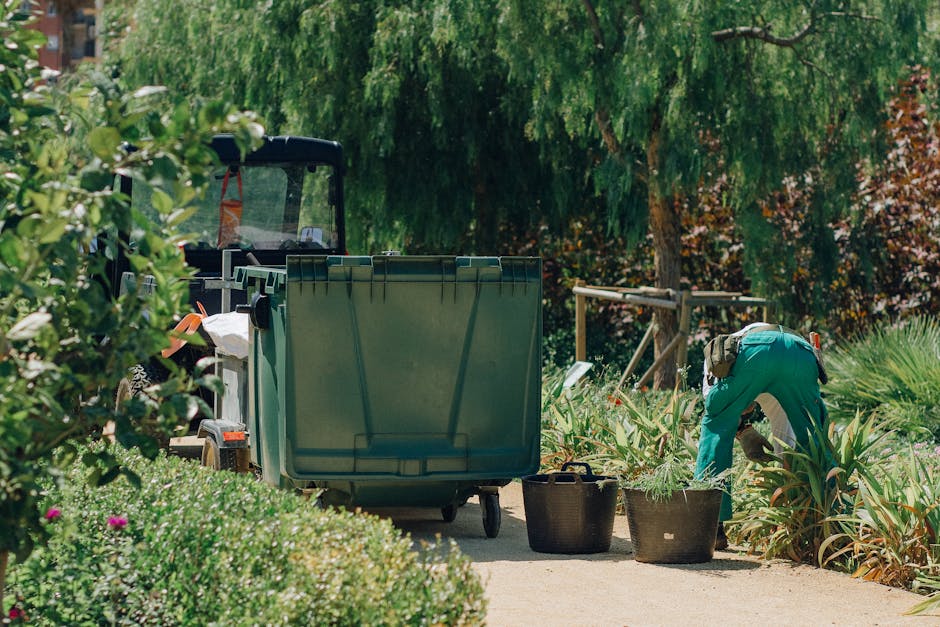
Ealing Council Garden Waste Rules and Gardeners Compliance: A Practical Guide for Local Jobs
If you garden in Ealing, or you run a gardening service here, the rules around green waste are not just paperwork. They shape how you bag cuttings, what you leave behind, and whether a tidy job stays tidy once it leaves the property. That is really the heart of Ealing Council garden waste rules and gardeners compliance: doing the work properly, then disposing of the waste in a way that matches local expectations and common UK best practice.
In real life, this can be as simple as separating hedge trimmings from soil, or as awkward as finding out a pile of turf, branches, and old compost cannot go in the wrong bin. Let's face it, garden clearance gets messy fast. This guide explains the practical side clearly: what compliance usually means, where problems happen, how gardeners stay on the right side of council collection and disposal rules, and what a professional approach looks like on the ground.
Whether you are a homeowner, landlord, tenant, or local gardener, you will find a straightforward way to manage waste without overcomplicating it. And yes, the details matter.
Why Ealing Council garden waste rules and gardeners compliance Matters
Garden waste sounds harmless. Grass, leaves, prunings, a bit of soil on the root ball. Easy, right? But once you start clearing a mature border, hedge, or neglected garden, the volume can rise quickly. A single afternoon can produce more than one household bin will sensibly take, and that is where the rules begin to matter.
Compliance matters for a few reasons. First, it helps avoid refused collections, contamination issues, and awkward doorstep surprises. Second, it protects the reputation of anyone providing gardening work. If a client pays for a clean finish, they do not want sacks of mixed waste left behind because the disposal plan was guessed rather than thought through. Third, proper handling reduces fly-tipping risk. That is a local nuisance nobody needs, and it tends to create trouble for everyone nearby.
There is also a trust angle. A gardener who understands disposal is usually a gardener who plans ahead. They work tidily, separate materials properly, and know when a job needs additional clearance or transport arrangements. That may sound obvious, but in practice it separates a neat, professional result from a rushed one.
If you already use a wider service package, waste handling often sits alongside other care tasks such as garden maintenance in Ealing, hedge trimming work, or tree surgery. The more complex the job, the more important it becomes to plan for the aftermath, not just the cutting and clearing.
Expert summary: if the garden work creates waste, compliance is part of the job, not an afterthought. The cleaner the sorting and the clearer the disposal plan, the fewer headaches later. Simple as that.
How Ealing Council garden waste rules and gardeners compliance Works
At a practical level, compliance starts with understanding what counts as garden waste and how it should be separated. Green waste typically includes grass cuttings, leaves, branches, hedge trimmings, weeds, plants, and small amounts of soil attached to roots. What usually causes problems is mixing in items that do not belong there, such as plastic pots, general household rubbish, rubble, large stones, treated timber, metal, or contaminated materials.
For gardeners, the basic workflow is usually this:
- Assess the type and volume of waste before starting.
- Separate green waste from general waste, bulky waste, and recyclables.
- Contain the waste neatly so it can be moved safely.
- Use the correct collection route, tip, transfer option, or licensed disposal method.
- Leave the site clean and check for stray debris, twigs, and soil.
In a typical Ealing garden job, the real challenge is not the cutting. It is the sorting. A border refresh might generate soft green waste, woody material, and a few broken stakes or ties. A patio clearance may bring up a mix of organic debris and non-organic bits that need to be kept apart. If you are also doing patio cleaning or working around landscaped areas, waste management needs to stay flexible.
For domestic clients, the council collection system is usually only part of the picture. Gardeners often need to use their own judgement about whether a job is small enough to fit the normal household arrangement or whether it requires a separate disposal plan. That judgment is where experience shows. A professional who has done a few wet, heavy autumn clearances knows the difference between a light tidy-up and a full-scale haul-away job.
It is also worth remembering that green waste behaves differently depending on the season. In spring, soft growth fills bags quickly. In late summer, hedge cuttings can be bulky but light. In autumn, leaves are everywhere, and somehow they multiply overnight. If you have ever swept the same path three times in one week, you will know what I mean.
Key Benefits and Practical Advantages
Following garden waste rules is not only about avoiding trouble. Done well, it actually makes the work easier and the results better.
- Cleaner gardens: waste is removed in a controlled way, so beds, lawns, and borders look finished rather than half-done.
- Better client confidence: homeowners can see the work has been handled properly, not bundled into random bags at the gate.
- Lower contamination risk: separating organic material from rubble, plastics, and general rubbish keeps disposal smoother.
- Safer handling: sorted waste is easier to lift, stack, and transport. Fewer awkward surprises, fewer spiky branches in the wrong place.
- More efficient jobs: when waste is planned from the outset, the whole visit tends to run more smoothly.
There is a quieter advantage too: professional pride. A well-managed waste system makes the whole service feel intentional. A lawn cut followed by precise clearance, or a hedge trim followed by a tidy sweep and bagging, leaves the kind of impression people remember.
If you are maintaining a property rather than redesigning it, this approach fits neatly with ongoing care such as lawn mowing and lawn care. Those regular tasks produce smaller amounts of waste, but they still benefit from an orderly system. Consistency helps. Always.
Who This Is For and When It Makes Sense
This topic matters to more people than you might think. It is not only for large commercial gardeners or full-time landscape teams.
Homeowners need it when seasonal work builds up, such as pruning, leaf clearance, or border reshaping. A normal weekly routine can suddenly become a bigger job after a storm, a holiday, or a few weeks of growth left unchecked.
Landlords and letting agents need it when a garden has to be turned around before a new tenant moves in. A back garden can look fine at first glance, then reveal a pile of ivy, broken pots, and enough grass to fill a small trailer once the work starts.
Professional gardeners need it every time they quote, plan, and deliver work. Good compliance protects margins and avoids awkward callbacks. It also makes service delivery more reliable. If waste is predictable, jobs are easier to schedule.
People with limited access or no vehicle often need extra planning. If you cannot easily move large bags or branches yourself, you will want to know in advance whether the job can be handled on-site, collected separately, or broken into stages.
Properties with hard landscaping can be a special case. When waste is generated near decking, fencing, or paving, you need to protect surfaces and avoid staining or damage. If you are also improving structures, services like decking services, fencing work, or landscaping in Ealing often go hand in hand with waste planning.
Truth be told, this is also relevant any time a client says, "Can you just take the lot away?" That sounds simple, but it only stays simple if everyone is clear about what "the lot" includes.
Step-by-Step Guidance
If you want a practical way to stay compliant, use a repeatable process. Not glamorous, but effective. And in gardening, effective beats flashy every time.
- Walk the site first. Check what type of waste will be produced. A hedge reduction, for example, creates woody material that takes up more room than soft clippings.
- Separate categories before cutting. Keep green waste, general rubbish, and reusable materials apart from the start. Once mixed, sorting becomes slower and messier.
- Protect surfaces and access routes. Lay down coverings if needed, especially around patios, lawns, and narrow side returns. Wet soil on paving is nobody's favourite thing.
- Use bags, tubs, or bundles appropriately. Lightweight cuttings can be bagged; branches may need tying; heavy wet material should be lifted in manageable loads.
- Check the disposal route. Decide whether waste will go through council collection, a licensed facility, or a planned haul-away arrangement.
- Do a final sweep. Remove twigs, leaves, and bits of compost from paths, borders, and drains. Small debris is what makes a job look unfinished.
For larger seasonal cuts, it helps to plan waste handling before the first branch comes down. That is especially true when you are working on hedges, shrubs, or overgrown areas near boundary lines. In those cases, it can be useful to think about the work alongside hedge trimming services and tree-related clearance as part of one tidy sequence, not separate chores.
A small but useful habit: keep one bag or container just for "unexpected bits." Broken canes, bits of wire, plastic ties, the odd label from a tray. It sounds trivial until you find a sharp bit of wire in a pile of clippings. Annoying, that.
Expert Tips for Better Results
After enough garden jobs, a few patterns show up again and again. The work goes smoother when the waste plan is baked into the job from the beginning.
- Estimate waste volume generously. Garden waste always seems to expand. What looks like three sacks can become five once it is cut, shaken out, and lifted.
- Dry waste where possible. Wet grass, soggy leaves, and damp soil are heavier and harder to handle. If timing allows, let material drain a little before bagging.
- Avoid overfilling bags. Overpacked sacks split, drag awkwardly, and make tidy disposal harder. Better to use one extra bag than to repair a mess.
- Keep reusable materials separate. Good mulch, clean branches, and salvageable timber should not be ruined by mixing them with rubbish.
- Schedule waste removal on the same day. Leaving bags sitting around overnight can attract pests, cause odours, and create a poor impression.
- Think about the finish. If a project includes routine garden maintenance or wider gardening services, waste handling should feel like part of the same standard, not a bolt-on extra.
One more thing. Clients often notice the final five minutes more than the middle two hours. A crisp sweep, a checked side path, and no stray debris near the gate can change how the whole job is remembered. It really can.

Common Mistakes to Avoid
Most compliance issues are not dramatic. They are small slips that pile up.
- Mixing green waste with general waste: this is one of the easiest ways to create disposal problems.
- Leaving soil and compost in the wrong place: a little earth on roots is normal, but dumping excess soil with cuttings can cause issues.
- Assuming every branch or stump is "just garden waste": larger woody material may need a different handling method.
- Ignoring client expectations: some homeowners expect a full take-away service, while others only want the garden left in bags. Clarify it.
- Forgetting about access: narrow paths, side gates, and shared entrances can slow waste movement down, especially with bulky bags.
- Overlooking hard surfaces: dragging debris across paving or decking can create staining, scratches, or slippery patches.
A common real-world mistake is the "I'll sort it later" approach. Later becomes tomorrow, then next week, then the sacks sit awkwardly by the bins. Not ideal. If there is a better moment to separate waste, it is usually before the job starts leaving the client's site.
Tools, Resources and Recommendations
You do not need a van full of specialist kit to manage garden waste properly, but a few basics make a big difference.
- Heavy-duty sacks or green waste bags for cuttings, leaves, and smaller prunings.
- Tarpaulins to gather waste neatly and protect surfaces underneath.
- Secateurs, loppers, and saws for controlled cutting rather than smashing material into awkward shapes.
- Rakes and brooms for the final sweep. A proper broom saves time. It just does.
- Gloves and eye protection for safe handling, especially with thorny hedges or brash.
- Wheelbarrow or trug for moving heavier loads without straining your back.
For gardeners who want to keep standards consistent across different jobs, useful support often comes from general maintenance and planning pages such as about the company, lawn care, or broader service information on ongoing garden maintenance. If you are refining a garden over time, it also helps to read practical content like beginner-friendly gardening tips or weed control guidance, because small maintenance habits reduce waste buildup in the long run.
In busy households, even layout choices matter. A smarter garden design can reduce clutter, narrow access problems, and repeated waste build-up. That is where useful planning content such as low-cost easy-to-maintain garden ideas or neglected garden makeover advice can help set a better baseline.
Law, Compliance, Standards, or Best Practice
When people ask about council rules, what they usually want is a clear answer without legal waffle. Fair enough. The careful way to approach this is to treat council waste requirements, duty of care, and responsible disposal as part of a normal professional standard rather than a one-off obstacle.
In UK gardening work, the safe baseline is:
- keep garden waste separate from household rubbish where possible,
- do not contaminate green waste with unsuitable materials,
- use the correct local collection or disposal route,
- avoid leaving waste in a way that could lead to nuisance, blockage, or fly-tipping,
- use sensible manual handling practices and safe storage while waste is on site.
For a gardener, the main compliance habit is documentation in the broad sense: know what came off the site, how it was separated, and where it went. That does not have to be complicated. A simple job sheet, a clear client note, and a consistent process often go a long way.
Where there is any uncertainty, especially on larger clearances or mixed-material jobs, the best practice is to pause and clarify rather than guess. That is particularly true if waste includes mature branches, treated timber, or material that has clearly been mixed with non-garden items.
If you work around neighbours, shared access, or boundary hedges, compliance also includes being considerate. Keep noise reasonable, leave access clear, and make sure the site does not look like an unfinished dumping area at the end of the day. Small things, but they matter.
Options, Methods, or Comparison Table
Different jobs call for different waste methods. The right choice depends on volume, waste type, access, and how quickly the site needs to be cleared.
| Method | Best for | Pros | Watch-outs |
|---|---|---|---|
| Council green waste collection | Routine cuttings, leaves, light prunings | Simple, familiar, good for smaller volumes | Needs correct separation and suitable presentation |
| On-site bagging and staged removal | Medium jobs with manageable access | Flexible, tidy, works well for repeated visits | Requires storage space and good organisation |
| Professional haul-away approach | Large clearances, overgrown gardens, heavy waste | Efficient, cleaner finish, less stress for the client | Needs clear planning and strong waste separation |
| Mulching or reuse on site | Healthy branches, clean clippings, long-term garden care | Reduces waste, can improve soil or borders | Not suitable for contaminated or diseased material |
For many Ealing homes, the best option is actually a hybrid. Small waste goes into normal green disposal, while bigger cuts or awkward debris are collected and removed separately. That is especially common after hedge work, border clearing, or a larger seasonal tidy.
For example, if a garden project also includes landscaping or patio cleaning, the waste route may need to shift mid-job. That is not a problem if it has been allowed for. It only becomes a problem when nobody expects the extra volume.
Case Study or Real-World Example
Here is a realistic example from a typical local job. A homeowner in Ealing wanted a front and rear garden tidy-up after several months of growth. Nothing dramatic at first glance. A bit of ivy, some tired shrubs, a hedge that had gone soft around the edges, and a lawn in need of proper attention.
The work started with a quick site walk. That showed three waste streams straight away: soft green clippings from the lawn and border work, woody waste from hedge cuts, and a small pile of mixed debris from old canes, ties, and cracked pots. If everything had gone into one heap, the removal would have become slow and untidy.
Instead, the waste was sorted as the job progressed. Soft cuttings went into bags, woody material was bundled, and mixed rubbish was separated immediately. The final sweep took a little longer than expected because of the damp weather, but the result was better for it. The paths looked clean, the gate area stayed clear, and the client did not need to deal with random scraps left behind.
What made the difference was not fancy equipment. It was planning. A small habit at the start saved a lot of faff at the end. And if you have ever tried to untangle a hedge bag filled with old cable ties, you will know why that matters.
This is also where ongoing care helps. Gardens that are maintained regularly produce less chaotic waste. A steady rhythm of lawn mowing, hedge trimming, and periodic garden maintenance usually creates smaller, more manageable waste loads than a once-a-year rescue job.
Practical Checklist
Use this as a simple pre-job and post-job check.
- Have I identified all waste types before starting?
- Have I separated green waste from general rubbish?
- Are containers, sacks, and bundles suitable for the material?
- Do I know the disposal route for this job?
- Have I protected lawns, paving, decking, and borders from damage?
- Have I planned for access, lifting, and carrying?
- Have I checked for sharp, contaminated, or mixed materials?
- Have I allowed time for a final sweep and debris check?
- Have I confirmed the finish with the client, if relevant?
- Does the site look genuinely finished, not just "mostly done"?
If you can answer yes to most of these, you are on solid ground. If not, stop and tidy the process before you tidy the garden. That order saves headaches.
Get a free quote today and see how much you can save.
Conclusion
Ealing Council garden waste rules and gardeners compliance are really about one thing: handling garden work in a tidy, responsible, predictable way. When waste is sorted properly, jobs feel calmer, clients feel more confident, and the whole service looks more professional. It is not glamorous, but it is one of the clearest signs of a gardener who knows what they are doing.
Whether you are clearing a small border or dealing with a heavier seasonal cutback, the same principles apply. Separate waste early. Plan the removal route. Leave the site clean. Keep things simple, but not careless. That balance is what good local gardening work is built on.
And in the end, that neat finish matters. Not just for the council rules, but for the garden itself, and for the person looking out at it the next morning with a cup of tea in hand.

Leveraging years of experience in gardening, Jaime produces a variety of articles addressing various gardening and landscaping themes. His expertise has contributed to the enjoyment of beautiful garden designs for many.